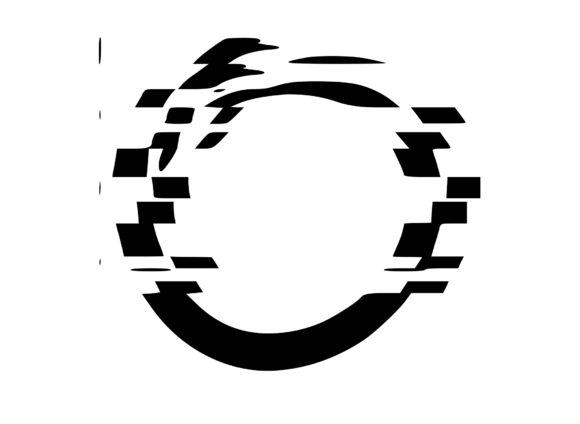
Graphic Circle 8: An Embroidery Designer's Honest Review
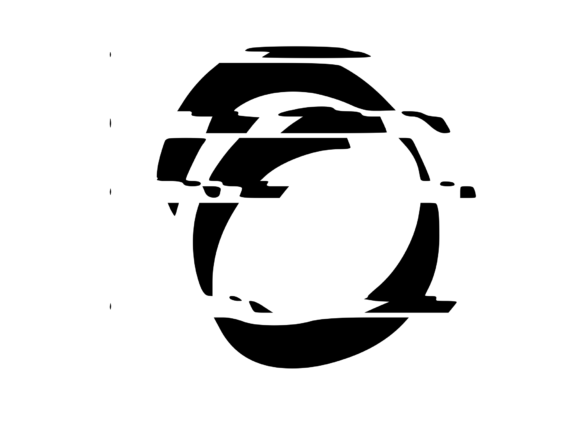
When I first opened Graphic Circle 8, I was immediately drawn to its clean, structured presence. This SVG design carries a confident, modern mood that feels both graphic and organic. The circular layout anchors the eye, while the internal lettering and spacing create a balanced composition that doesn't fight for attention. As someone who evaluates embroidery files for real project use, I look for designs that translate well from screen to stitch. Graphic Circle 8 has that potential, but like any design, it needs the right context to shine.
The visual personality here is contemporary but approachable. It is not overly ornate or fussy, which makes it a strong candidate for custom apparel, personalized gifts, and small shop merchandise. The design feels like it belongs on a product that wants to communicate clarity and style. I could see this working beautifully on a tote bag, a sweatshirt, a cap, or even a baby onesie. The circle gives it a badge-like feel, and the lettering inside carries a crafted, hand-done vibe that customers often respond to. It sits comfortably in the Crafts and Graphics space, offering versatility for both digital and physical applications.
First Impressions and Real Project Fit
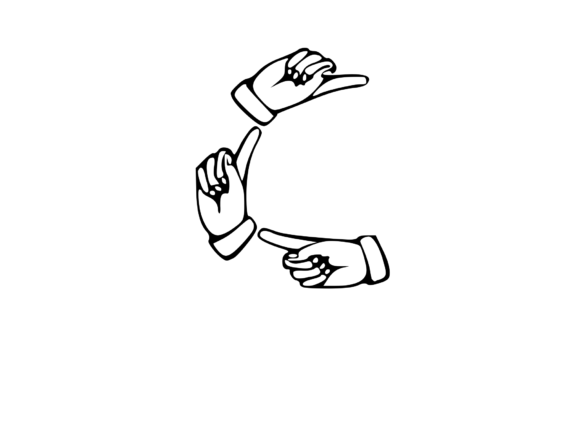
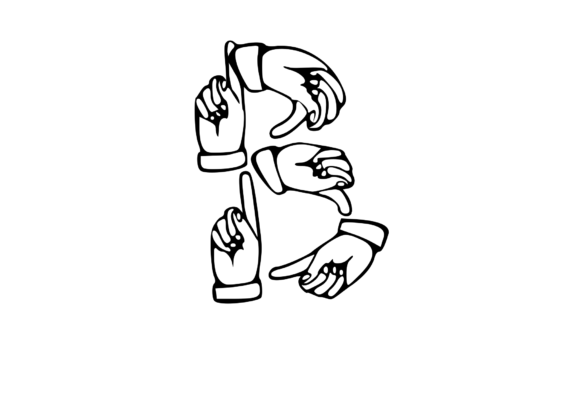
The moment I saw Graphic Circle 8, I thought about how it would look after stitching. The circular boundary creates a natural frame, which helps with hoop placement and alignment. For a custom embroidered tote bag, this design would sit well as a centerpiece or a subtle brand mark. On a sweatshirt, it would read as a clean, contemporary accent. The lettering inside the circle is what gives the design its personality. It has a hand-drawn quality that feels authentic, not rigid. That matters for handmade products and personalized gifts, where buyers are looking for something that feels special, not mass-produced.
I also considered how this design might perform on nursery decor or holiday gifts. The circular format works well on pillow covers, tea towels, and blankets. For a baby embroidery project, the size and shape could be scaled to fit a small onesie or a receiving blanket. The key is to test the scale first. What looks good on a screen can feel overpowering on a small garment or too delicate on a large tote. That is where real testing comes in.
How Graphic Circle 8 Performs on Different Products
In my experience, circular designs like this one require careful attention to stitch density and stabilizer choice. The circle itself may use a satin stitch or a fill stitch, and the lettering inside will likely use a running stitch or a combination of fills. If the stitch density is too high, the design can feel stiff on soft fabrics. If it is too low, the edges may not hold their shape after washing. For custom apparel like t-shirts and sweatshirts, I recommend testing on a similar fabric before committing to a production run.
For embroidered patches, Graphic Circle 8 has good potential. The circular shape naturally lends itself to patch layouts. A patch with this design could be used for boutique branding, craft fair products, or small shop merchandise. The lettering inside the circle would need to be reviewed for minimum size. If the design is scaled too small, the letters may lose definition. That is a common issue with any embroidery file that includes text, and it is worth checking before you stitch.
On caps and hats, the curved surface can distort circular designs. I have seen many beautiful circle designs that looked oval after stitching on a cap. The trick is to use a smaller hoop, adjust the design placement, and test on a curved surface. For Graphic Circle 8, I would test it on a cap front first, using a lightweight stabilizer and a proper cap frame. If the design is intended for a curved surface, you may need to adjust the lettering to account for the curve.
On kitchen towels and aprons, this design would work well as a decorative accent. The circle format is easy to center, and the lettering adds a personal touch. For holiday gifts, you could stitch it on a towel set or a set of napkins. The design feels versatile enough to work for multiple occasions, which is a plus for Etsy sellers and creative entrepreneurs who want to offer a range of finished products.
Where to Use Graphic Circle 8 with Care
Not every fabric or product is a good match for this design. Here are a few situations where I would be cautious:
- Small hoop sizes: If you are working with a 4x4 hoop, make sure the design fits comfortably. Circular designs can feel cramped in a small hoop, especially if there is lettering inside. Check the design dimensions before you start.
- Textured fabrics: Fabrics with a lot of texture, like fleece or thick knits, can obscure fine lettering. The design may need a denser stitch to stay legible. Test on a scrap piece first.
- Thin or stretchy fabric: Lightweight fabrics like jersey or silk may not support a dense stitch pattern. Use a tear-away or cut-away stabilizer to prevent puckering. The circle shape may pull the fabric if the tension is not balanced.
- Dark fabric: If you are stitching on dark fabric, make sure the thread color contrasts well. A light or bright thread on dark fabric works best for this design. Test in black and white mockups to check readability.
- Layered garments: On jackets or hoodies with multiple layers, make sure the design does not get lost in the seams. Place it on a flat area of the garment for best results.
- Frequent washing: Products that will be washed often, like kitchen towels or baby items, need a design that holds up. Use a quality stabilizer and test for shrinkage. The lettering should remain clear after multiple washes.
Visual Appeal and Customer Impact
When a customer sees a finished product with Graphic Circle 8, they notice the balance and the clean lines. The circular frame gives the design a finished, professional look. The lettering inside adds a handcrafted feel that buyers associate with quality handmade products. For Etsy listings and craft fair products, this design can help a product stand out without being loud.
The design also supports brand consistency. If you are a small business owner using this on multiple products, the circular format creates a cohesive look across your line. A tote bag, a sweatshirt, and a cap with the same design will feel like a collection, not random items. That is valuable for boutique branding and for building customer trust.
Giftability is another factor. A personalized gift with this design feels thoughtful and intentional. Whether it is a holiday gift, a wedding gift, or a baby shower gift, the design adds a layer of care. Customers are more likely to engage with a product that looks like it was designed with purpose, not just thrown together. Graphic Circle 8 delivers that impression.
Practical Embroidery Designer Notes
Before you use Graphic Circle 8 in a commercial project or a personal project, here are a few practical steps I recommend:
- Test on scrap fabric first. Always stitch a sample on the same fabric you plan to use. This will reveal any issues with stitch density, thread tension, or lettering clarity.
- Check thread color contrast. The design works best when the thread color contrasts with the fabric. Test a few color combinations before committing.
- Review stitch density. If the design feels too dense or too loose, adjust the stitch settings. The circle and the lettering may need different densities to look their best.
- Confirm hoop size. Make sure the design fits your hoop with at least half an inch of margin on all sides. A tight fit can cause design distortion.
- Inspect small details. Zoom in on the lettering and any fine elements. If they are smaller than about 5mm, they may not stitch clearly. Scale the design up if needed.
- Test in black and white mockups. This helps you see contrast and readability without the distraction of color. Adjust thread and fabric choices based on the mockup.
- Compare light and dark fabric backgrounds. The design may look completely different on a white shirt versus a black one. Test both if you plan to offer multiple color options.
- Use proper stabilizer. For most applications, a medium-weight cut-away stabilizer works well. For delicate fabrics, use a tear-away stabilizer with a lightweight topping.
- Check licensing before selling. If you are using this design for commercial embroidery or digital product sales, confirm the license terms. Some designs allow finished product sales, while others may restrict digital distribution. Always verify before listing.
Graphic Circle 8 is a solid design for a wide range of embroidery projects. It balances style with simplicity, making it a practical choice for both personal projects and small business use. As with any embroidery file, testing is the key to success. Take the time to stitch a sample, adjust your settings, and confirm the fit. Your finished products will look better, and your customers will notice the difference.