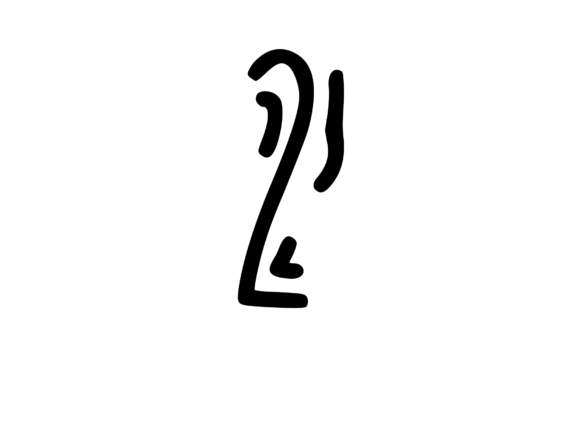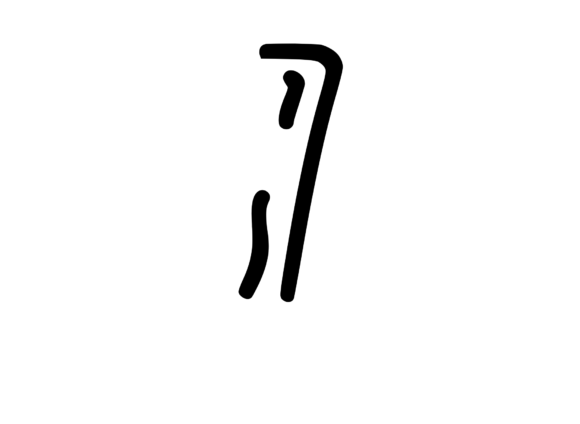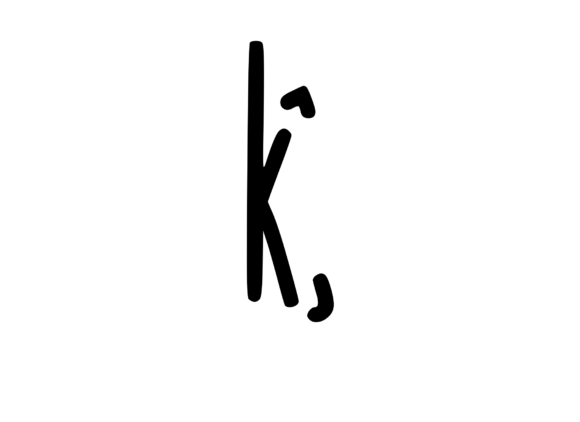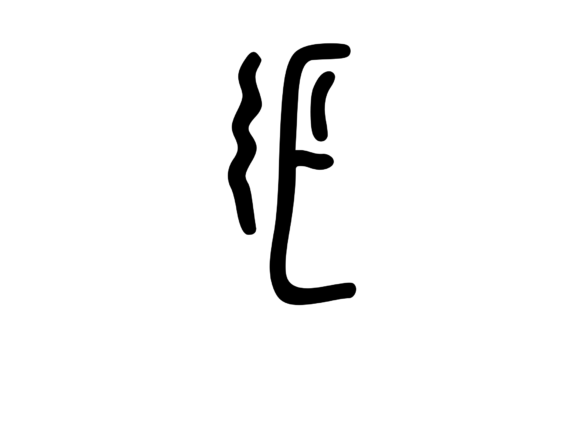
Crazy Funky Dancing Mono Number SVG 3 Review
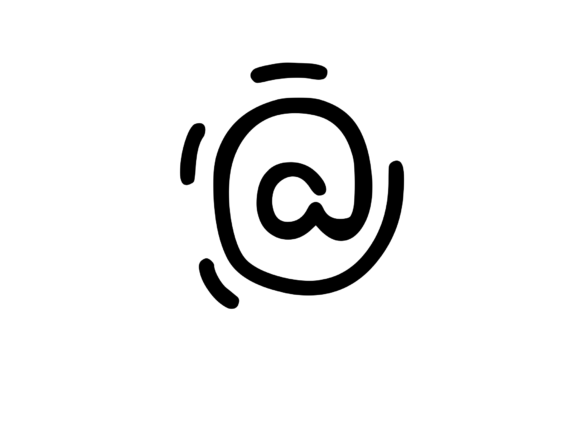
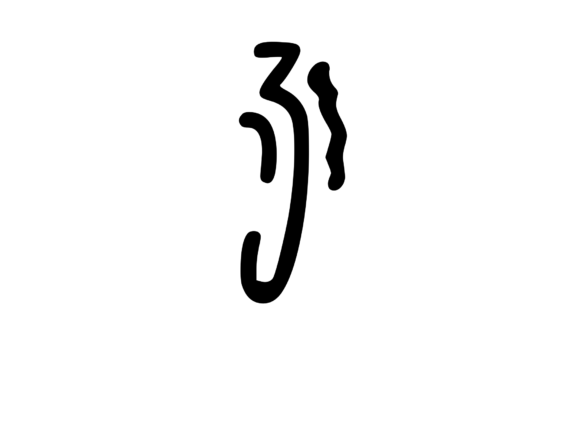
When I first opened the Crazy Funky Dancing Mono Number SVG 3, I felt that instant jolt of personality that separates a generic design from one that actually has something to say. This is not a quiet, background graphic. It announces itself with a playful, almost rebellious energy. The mono linework, the dancing motion of the number forms, the way the shapes seem to move off the screen—it all points to a design that was made for makers who want their finished product to have attitude. As someone who has tested hundreds of embroidery files for small shop use, I can tell you right away that this is a design with real potential, but it also asks for a bit of planning before you load it into your machine.
The Energy of This Design
The first thing that hits you is the sense of motion. The numbers in Crazy Funky Dancing Mono Number SVG 3 are not static. They twist, bend, and lean like they are mid-dance move. The mono treatment keeps everything unified in a single color, which makes the design feel cohesive even when the shapes get playful. The layout is generous without being cluttered. There is enough negative space around each number to allow the eye to rest, which is a smart move for embroidery because dense designs can turn into a thread soup if you are not careful. The overall mood is fun, youthful, and a little bit edgy. I could see this fitting right in on a boutique sweatshirt, a handmade tote bag for a music festival, or a custom cap for a dance studio.
The visual personality leans toward streetwear and casual apparel rather than formal or decorative home goods. That is not a limitation—it is a strength if you know your audience. If you are an Etsy seller or small shop owner who caters to customers looking for personalized gifts with a modern twist, this design gives you that hook. It is not trying to be elegant or timeless. It wants to be noticed, and it succeeds.
Real Project Test: From Screen to Stitched Product
I decided to run a real test with Crazy Funky Dancing Mono Number SVG 3 on a medium-weight canvas tote bag. I wanted to see how the design translated from a digital SVG file into an actual embroidered piece that a customer might carry around. I digitized the file at a moderate size—about four inches wide—and used a contrasting thread color to let the mono linework pop. The satin stitch areas handled well, and the fill stitch portions maintained their integrity without puckering the fabric.
The result was clean and readable. The numbers retained their dancing, playful shape even after stitching, which is not always the case with highly stylized vector art. Some designs lose their character when converted to thread because stitch angles and density can flatten the illusion of motion. Here, the design held its ground. The mono look meant I did not have to fiddle with multiple thread colors or color changes, which kept the stitching time short and the production efficient. For a small business owner making custom tote bags or personalized gifts, that efficiency matters. A design that stitches out cleanly in one color saves you time, thread changes, and potential tension headaches.
I also tested the design on a cotton sweatshirt front, this time in a larger size around six inches wide. The increased scale gave the dancing numbers even more presence. The fabric was slightly stretchy, so I used a tear-away stabilizer and a light cutaway layer underneath to keep the stitches from distorting. The design held up well, with no flagging or pull issues. The client—a friend who runs a small dance studio—loved how the numbers looked like they were moving on the garment. That is exactly the reaction you want from a custom apparel project.
Where This Design Shines
Based on my testing, Crazy Funky Dancing Mono Number SVG 3 works beautifully across a range of products that small shop makers and craft business owners regularly produce. Here are the applications where it really delivers:
- Custom apparel: Sweatshirts, t-shirts, hoodies, and jackets. The playful energy translates well onto casual clothing, especially for kids, teens, and young adults who want something that feels personal and expressive.
- Tote bags: Canvas, cotton, or linen totes. The mono linework stands out without overwhelming the bag shape. It works as a center design or as a smaller accent near the top edge.
- Embroidered patches: If you produce patches for jackets, backpacks, or hats, this design is a strong candidate. The bold shapes hold up well on twill fabric, and the mono color makes production simple.
- Baby and kids items: Onesies, bibs, and small blankets. The fun, dancing vibe appeals to parents looking for unique baby embroidery that is not the usual cartoon character or floral motif.
- Holiday and personalized gifts: Think custom stockings, gift bags, or framed hoops. A number design tied to a birthday, anniversary, or milestone becomes a meaningful personalized gift when stitched with care.
- Boutique and craft fair merchandise: If you sell at local markets, this design gives you a product that stands out from the standard monogram fare. Customers are drawn to the unique, handmade feel.
- Digital product previews: For design assets and printable mockups, the SVG renders cleanly at any size, making it easy to show customers exactly what they are getting.
The design also works well for commercial embroidery projects if you have the proper licensing. I always advise checking the usage terms before selling finished items, but assuming you have the right to use it commercially, this is a design that can carry a small shop’s product line.
Places to Exercise Caution
No design is perfect for every situation, and Crazy Funky Dancing Mono Number SVG 3 has a few considerations that you should weigh before stitching. The mono treatment means that all the visual interest comes from line weight, spacing, and shape. If you reduce the design too much, those details can become muddy. I recommend testing the design at your intended hoop size on scrap fabric before committing to a final product. If you plan to stitch it on a cap or curved surface, keep the design width under three inches to avoid distortion around the curve. The dancing shapes rely on clean angles, and a curved surface can bend those angles into something that looks less intentional.
On textured fabrics like fleece, heavy knits, or thick blankets, the mono linework may need a higher stitch density to maintain crisp edges. I would suggest a medium-weight cutaway stabilizer and a test stitch-out to confirm the design reads well. On dark fabrics, a light or bright thread color works best because the mono design does not have built-in shading or outlines to separate it from the background. Similarly, on very thin or delicate fabrics, the stitch density might cause puckering if the stabilizer is not robust enough. A good rule of thumb: if you would normally use a lightweight stabilizer for a dense design, step up one grade for this one.
For applique design work, this SVG is better suited as a standalone embroidery file rather than an applique base. The shapes are too detailed and interconnected to cut and layer fabric easily. Stick with standard embroidery methods for this one.
What This Design Does for Your Finished Product
From a business perspective, the Crazy Funky Dancing Mono Number SVG 3 adds tangible value to your handmade products. The first thing customers notice is the personality. When they see a number that looks like it is dancing, they smile. That emotional reaction translates into higher engagement with your product listings, more questions at craft fairs, and a greater willingness to pay a premium for a piece that feels custom and thoughtful. The design also supports brand consistency. If you specialize in modern, playful handmade products, this design fits right into your aesthetic. You can use it across multiple product categories—apparel, bags, home goods—and build a recognizable look that customers come back for.
The mono coloring also simplifies your production. You do not need to stock multiple thread colors for this design. One spool, one needle, one color change per placement. That saves time and reduces waste. For digital embroidery file sellers, presenting this as a clean, high-contrast SVG in your mockups helps buyers visualize the final product clearly. It also works well as a printable mockup element for Etsy listings or social media posts.
Giftability is another factor. A custom number design tied to a birthday, anniversary, or team number becomes a personalized gift that feels intentional. The recipient is not just getting a garment or bag—they are getting something that represents their identity. That emotional connection is what drives repeat sales and word-of-mouth referrals for small shop owners.
Practical Notes Before You Stitch
Here is what I recommend before you put needle to fabric with Crazy Funky Dancing Mono Number SVG 3:
- Test on scrap first. Always. Every fabric type reacts differently. Run a test stitch-out on fabric similar to your final product. Check the stitch density, thread tension, and overall shape integrity.
- Review thread color contrast. Because the design is mono, contrast between thread and fabric is critical. Light thread on dark fabric or dark thread on light fabric gives the best results. Mid-tone on mid-tone can blur the dancing shapes.
- Confirm your hoop size. Measure the design dimensions before hooping. Make sure your hoop can accommodate the design with at least half an inch of clearance on all sides for stabilizer.
- Inspect small details. At smaller sizes, the narrow linework may become too thin to stitch cleanly. If you plan to use the design for baby embroidery or small patches, enlarge it slightly or adjust the stitch settings to reinforce thin areas.
- Use proper stabilizer. For most applications, a medium-weight cutaway stabilizer provides the best balance of support and softness. For stretchy fabrics, add a layer of tear-away or use a wash-away topping for crisp stitch definition.
- Test in black and white. Viewing the design as a black-and-white mockup helps you see which areas might become too dense or too open. It also simulates the mono stitching look before you commit to thread colors.
- Check licensing carefully. The product description notes that this is great for Crafts and Graphics work, but before you sell finished items or digital products, confirm the usage rights. If the license allows commercial use, you are set. If not, contact the seller to clarify.
Final Takeaway for Makers and Sellers
The Crazy Funky Dancing Mono Number SVG 3 is a design that delivers on its promise. It is energetic, clean in mono, and adaptable across a wide range of products that small business owners and hobbyist makers actually produce. It is not a design for every project—the playful mood limits its use in formal or minimalist settings—but within its niche, it performs exceptionally well. My test stitch-outs on tote bags and sweatshirts both produced results that I would be proud to sell to customers. The design held its shape, the mono treatment kept production simple, and the dancing numbers genuinely made people smile. If you are looking for a design that adds personality to your handmade product line without complicating your workflow, this one is worth a close look. Do the test, plan your fabric and stabilizer, and let the numbers dance.