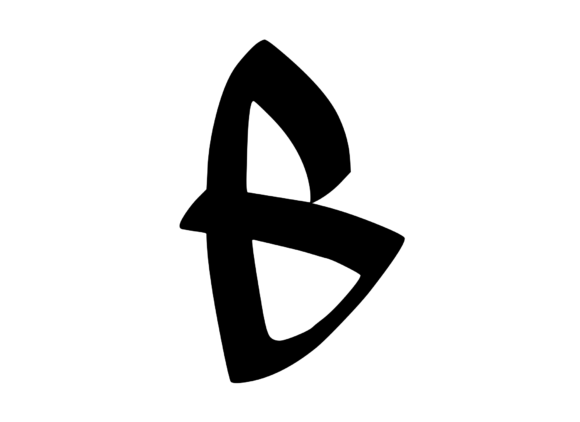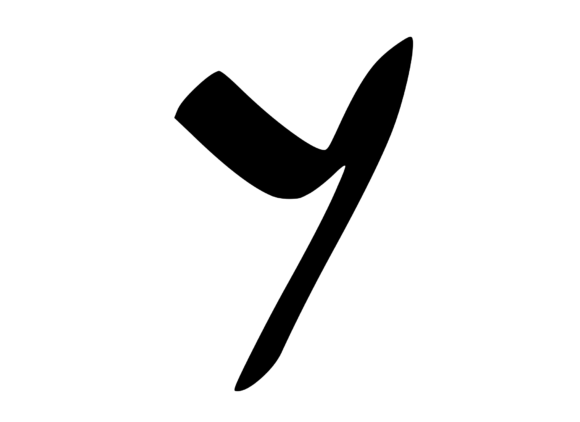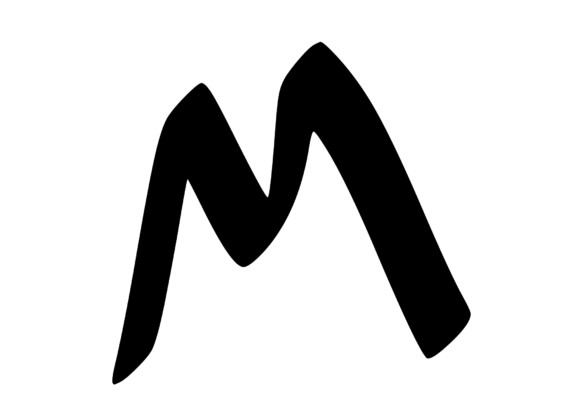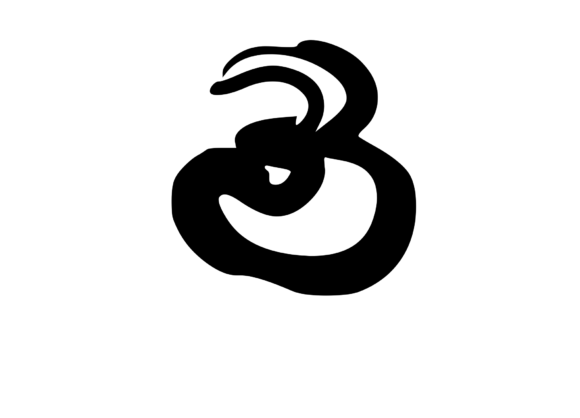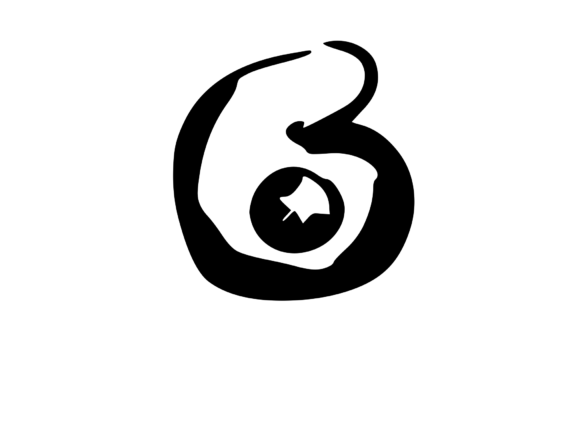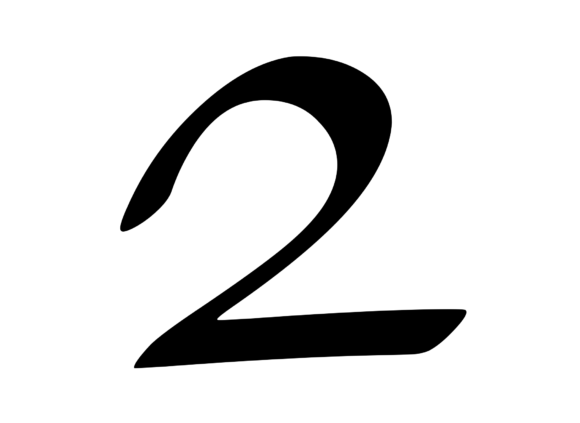
Graffiti Street Tag Mono Number 2
First Impressions: A Raw Urban Edge
When I first opened the Graffiti Street Tag Mono Number 2 vector file, I immediately recognized the energy of a hand-tagged street piece. The mono treatment gives it a crisp, confident look—no gradients, no fill effects, just bold, black-line attitude. As someone who has digitized hundreds of urban-style designs for embroidery, I was curious how this graphic would translate from screen to stitched fabric. The shape is slightly asymmetrical, with letters that curve and stack naturally, mimicking spray-can flow. It’s not a rigid font; it’s a tag. That looseness is exactly what makes it stand out for crafts and graphics projects, especially those aimed at a youthful, streetwear audience.
The overall mood is rebellious but polished enough for handmade gift items. It reminds me of designs I’ve seen on boutique sweatshirts at local pop-ups. The line thickness varies subtly, which adds character but also raises some questions about stitch density and small-scale reproduction. For embroidery, this is not a beginner-friendly fill stitch design. It begs for a satin stitch or a clean running stitch outline to preserve the hand-drawn feel. The mono (single color) format simplifies thread selection but puts pressure on contrast and fabric choices. A black tag on a white tote bag will pop. The same design on a dark navy tee? You’ll need a light thread or a cutaway applique approach.
Custom Apparel and Tote Bags
I tested the Graffiti Street Tag Mono Number 2 on a mid-weight cotton sweatshirt for a client who wanted a custom birthday gift. After converting the SVG to a machine embroidery design file, I ran a test stitch on scrap fabric. The curved letters needed slightly reduced density in the tight corners to avoid thread buildup. The result was excellent—the satin stitch gave it a raised, puffy look that resembled dimensional paint. On a structured tote bag, the same design sat flat but had excellent readability. The mono nature means you only need one bobbin and one top thread color, which reduces production time for small shop runs. For an Etsy seller offering personalized handmade products, this design is efficient. You could offer it on sweatshirt embroidery, baby embroidery (with a male-silhouette twist), or even holiday embroidery gifts for streetwear fans.
Patches and Caps
I also tried the design as an embroidered patch using a heavy cutaway stabilizer. The letters remained crisp, though the small gaps between strokes required careful trimming. For caps and curved surfaces, you’ll need a small hoop size and possibly a border to prevent distortion. The tag’s natural asymmetry actually helps; it doesn’t need to be perfectly centered. On a dad hat or a beanie, the slight offset feels intentional. For apparel decorators producing streetwear brands, this file is a solid asset. Avoid using it on thick fabric like fleece or terry without a topping stabilizer, because the fine lines can sink into the nap. Test on a scrap piece first.
Where This Design Demands Careful Planning
The Graffiti Street Tag Mono Number 2 shines in medium to large embroidery areas. I would not recommend it for tiny hoop sizes under 4x4 inches. The lettering details become muddled below about two inches tall. If you’re making baby embroidery on a onesie, scale up or choose a simpler design. On stretchy fabrics like jersey knits, use a cutaway stabilizer and moderate stitch density to avoid puckering. The mono line thickness varies, so a uniform fill stitch may cause uneven tension. I prefer a satin stitch with a small running stitch underlay for stability. For dark fabric, the contrast is crucial. Test your thread color against the garment—white, neon yellow, or metallic silver work well. Avoid using the design on very thin fabrics like silk; the needle holes and density can ruin the drape.
If you plan to sell finished products with this design, review the licensing terms. The product description says it’s for crafts and graphics, and you can “proudly reproduce this,” but confirm whether commercial use is allowed for commercial embroidery or digital product sales. As a designer, I always recommend checking before stitching a batch for a craft fair or Etsy shop.
Practical Designer Notes Before You Stitch
- Test on scrap fabric first – I cannot emphasize this enough. The mono lines may look simple, but the curves and intersections can misbehave on certain fabrics.
- Check thread color contrast – This design relies entirely on silhouette. Use a light fabric with dark thread or vice versa. Avoid medium tones.
- Review stitch density – If converting from SVG, adjust the density for satin or fill stitching. Too dense, and the tag becomes stiff. Too loose, and the edges fray.
- Confirm hoop size – A 5x7 hoop or larger gives you room to position the tag diagonally or off-center. Small hoops limit placement.
- Inspect small details – The end of the tag’s tail and any cross-strokes might need manual editing in your digitizing software. Reduce underlay in tight areas.
- Test in black and white mockups – Because the design is mono, a simple black-and-white printout helps you see contrast and readability before you stitch.
- Use proper stabilizer – Medium cutaway for stable knits, heavy cutaway for stretchy fabrics. Tear-away only for woven items with low density.
- Check licensing – If you are an Etsy seller or run a craft business, confirm that the file can be used for commercial embroidery projects and sold as finished products or printable mockups. Never assume.
Final Thoughts on Graffiti Street Tag Mono Number 2
The Graffiti Street Tag Mono Number 2 is a strong addition to any designer’s library of design assets. It delivers an authentic street vibe without overcomplicating the stitchout. For machine embroidery, it works best as a satin stitch or applique design on medium to large items like tote bags, sweatshirts, and caps. The mono palette reduces production time and keeps your thread inventory simple. It also lends itself well to personalized gifts for urban fashion lovers, skaters, or graffiti enthusiasts. If you’re building a small shop product line or preparing for a craft fair, this graphic can become a signature logo for a streetwear brand or a boutique clothing line.
I give it a solid recommendation for intermediate to advanced embroiderers. Beginners should approach with caution, especially on stretch fabrics. As with any embroidery project, test, test, test. The design’s raw energy is worth the extra prep time. When stitched well, it looks like a real street tag—bold, authentic, and ready to stand out.