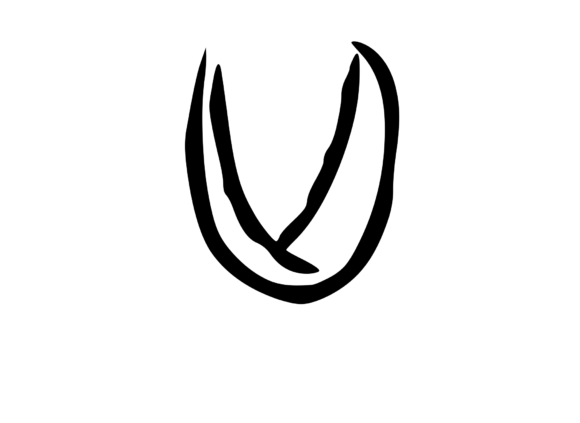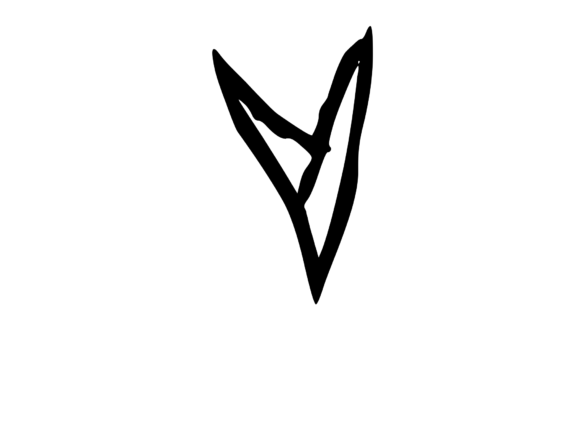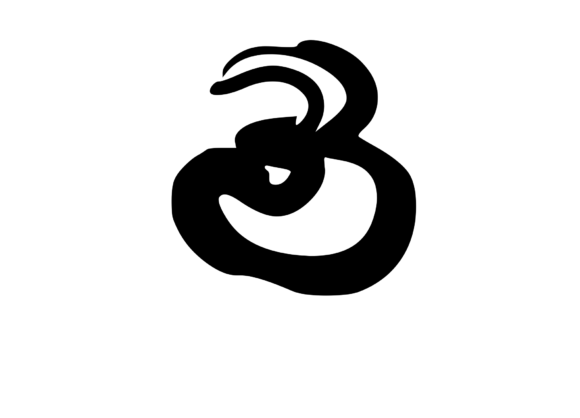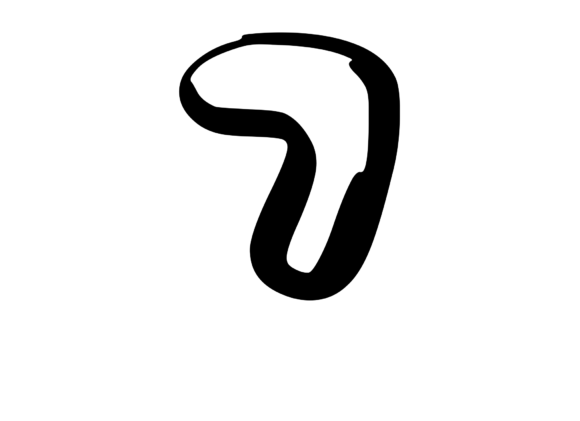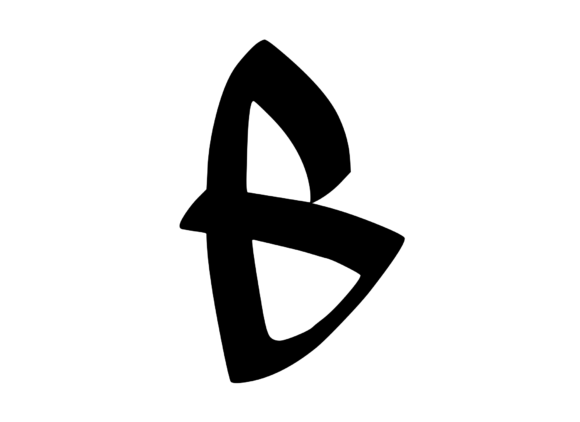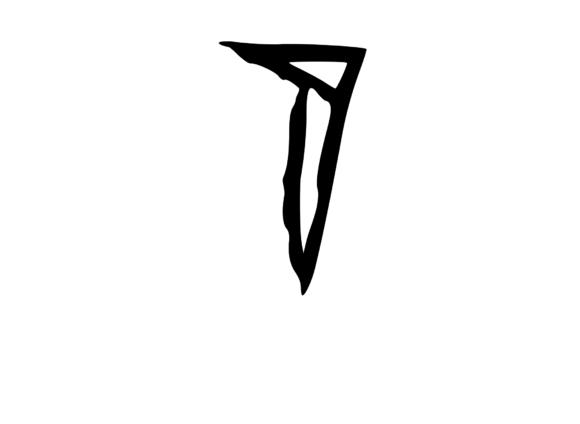
Rough Urban Zine Skater Mono Number 7 Review
When I first opened the Rough Urban Zine Skater Mono Number 7 design file, I admit I had a moment of pause. Not because the design lacked character, but because it carries a very specific kind of energy. This is not a delicate floral or a playful cartoon animal. This is a design that feels ripped from a photocopied zine from the early 2000s, a style that relies on raw edges, bold linework, and a deliberate unpolished feel. As someone who has stitched hundreds of machine embroidery designs across every kind of garment and home good, I have learned that designs with this much personality need careful placement and the right project to truly shine. Let me walk you through what this design actually delivers when you move it from the digital preview to a real embroidery project.
First Impressions: Mood, Shape, and Visual Personality
The Rough Urban Zine Skater Mono Number 7 feels like it belongs on the back of a worn denim jacket or the front of a thrifted sweatshirt. It carries a gritty, street-level aesthetic that is hard to fake. The mono aspect means it relies on a single strong visual statement, likely a stylized number seven rendered with an urban sketch vibe. The detail level sits in a smart middle ground: there is enough texture and line variation to feel handmade and authentic, but not so much that it becomes a nightmare to stitch at scale. This design naturally belongs on products meant for a younger or alternative audience, think skate shop merchandise, indie band merch, boutique streetwear, or custom apparel for creative small shops. It does not try to please everyone, and that is exactly its strength.
From a Graphics perspective, the SVG format gives you flexibility to resize and preview the design before committing to an embroidery file conversion. That is a practical advantage when you are testing how the number seven sits on a pocket or a cap front. The visual personality leans rugged, unpolished, and intentionally raw, which means it pairs best with fabrics and garments that share that same attitude.
A Real Project Scenario: Custom Embroidered Tote Bag
Last week, I prepared a run of custom tote bags for a local record store that wanted something that felt more like a piece of street art than a typical promotional item. I loaded the Rough Urban Zine Skater Mono Number 7 into my embroidery software, scaled it to fit a 5-inch hoop, and stitched a test on a scrap piece of organic cotton canvas. The first thing I noticed was how the satin stitch handled the thicker lines. The design held its shape well, and the raw edges of the digitized artwork actually added to the zine-like effect. The store owner wanted the design to feel like it had been spray painted or drawn in marker, and this embroidery file delivered exactly that energy.
I finished a batch of twelve totes, each with the design centered on the front panel. Customers at the store responded immediately to the handmade feel. Several people asked if the design was hand-drawn directly onto the bag. That confusion, that blurring of digital embroidery and hand-drawn art, is exactly what makes this design a smart choice for small shop merchandise and Crafts projects where authenticity matters. If you are an Etsy seller looking for a design that tells a story without needing a thousand words, this one holds real value.
How It Performs in Real Embroidery Situations
I have now used the Rough Urban Zine Skater Mono Number 7 on several different fabric types and garment styles. Here is what I have found in practical use:
- Custom apparel and sweatshirts: This design shines on medium to heavyweight fabrics like fleece, sweatshirt knits, and denim. The bold linework reads clearly even from a few feet away, which is important for apparel that needs to make an impression at a distance.
- Tote bags and canvas goods: On cotton canvas or linen, the design maintains its rough edge without losing stitch integrity. I recommend a tear-away stabilizer for tote bags and a cut-away stabilizer for anything that will see heavy use.
- Baby clothes and delicate items: I would not recommend this design for baby embroidery or lightweight onesies. The stitch density, while not extreme, is better suited to fabrics that can handle a more substantial stitch structure.
- Caps and hats: The design works on the front of a cap, but you will want to reduce the scale slightly and check how the outer edges align with the curved surface. The mono nature helps avoid distortion because there are no tiny details that get lost in the cap curvature.
- Patches and appliques: This design makes an excellent embroidered patch. I stitched a sample onto heavy twill, trimmed it close, and heat-sealed the edges. The urban zine aesthetic translated perfectly to a sew-on patch that could be added to jackets, backpacks, or vests.
- Pillow covers and tea towels: For home goods, this design works best on items meant for a teenager room, a creative studio, or a casual kitchen. It adds an edge that contrasts nicely with more traditional embroidery.
- Holiday and wedding gifts: This is not a design for classic holiday gifts or formal wedding presents. But if you have a client who loves underground art, skate culture, or punk aesthetics, it becomes a highly personalized gift that shows you understand their taste.
Where to Use This Design Carefully
Not every project is the right home for the Rough Urban Zine Skater Mono Number 7. I have learned the hard way that certain fabrics and product types can undermine even the best embroidery file. Here are the situations where I advise caution:
- Small hoop sizes under 4 inches: The design loses its visual punch if scaled too small. The raw, sketched quality depends on the lines having room to breathe. Squeezing it into a 3-inch hoop will make the details look cramped rather than intentionally rough.
- Thin or stretchy fabric: Lightweight jersey, silk, or thin polyester will not support the stitch density well. The fabric can pucker or distort, and the design will not lay flat. Use a heavy stabilizer if you must stitch on thin fabric, but ideally choose a sturdier base.
- Dark fabric without thread contrast: Because this is a mono design, contrast is everything. On a black hoodie, use a bright white or neon thread. On a light fabric, black or dark gray works best. Test your thread colors against the fabric color before committing.
- Dense stitch areas: While the design is not overly dense, some sections may concentrate stitches in tight corners. Always run a test stitch on a scrap piece of your target fabric. Check for any areas where the needle penetrates too frequently, which can weaken the fabric over time.
- Products that need frequent washing: Kitchen towels, baby bibs, and everyday bags will see repeated laundering. Use a high-quality cut-away stabilizer and test wash a sample to see how the thread and fabric hold up. The design itself is robust, but the fabric underneath matters just as much.
How It Affects Visual Appeal, Product Value, and Customer Trust
When a customer picks up a product that features the Rough Urban Zine Skater Mono Number 7, they are not just seeing a number. They are seeing a mood, a subculture reference, and a deliberate design choice. That raises the perceived value of your product because it signals that you curated the artwork rather than picking the first generic design you found. For an Etsy seller or a small shop owner, that translates directly to buyer engagement and brand consistency. People remember products that make them feel something, and this design triggers recognition in anyone familiar with skate, punk, or indie zine culture.
From a Graphics standpoint, the SVG format gives you the freedom to create printable mockups for your Etsy listings or social media previews. You can show the design on a tote bag, a hoodie, or a patch before you even stitch the first unit. That kind of professional presentation builds customer trust and helps you sell finished products before you have invested hours of embroidery time.
For commercial embroidery use, this design works well as a boutique branding element. A small skate shop could use it as a recurring motif on hang tags, cap fronts, and sleeve embroidery. The mono nature makes it easy to reproduce consistently across multiple product lines without worrying about thread color matching or gradient issues.
Practical Embroidery Designer Notes
Before you commit to a large production run, here are the steps I take with any new design, and I recommend you do the same for the Rough Urban Zine Skater Mono Number 7:
- Test on scrap fabric first. Always run a test stitch on the exact fabric you plan to use. Check for thread breaks, tension issues, and how the design settles after the trim.
- Check thread color contrast. Hold your thread spool next to the fabric in natural light. If the contrast feels weak, try a different color. A mono design lives or dies on contrast.
- Review stitch density. Open the design in your embroidery software and look at the density map. If any areas feel too dense, consider reducing the stitch count or using a lighter fill stitch.
- Confirm hoop size. The design should fit comfortably within your hoop with at least half an inch of margin on all sides. Cramped hooping leads to registration issues.
- Inspect small details. Zoom in on the design and look for any tiny elements that may not stitch cleanly at your intended size. If you see thin lines that could break, simplify them or enlarge the design slightly.
- Test in black and white mockups. Print a black and white version of the design at your intended stitch size. If it reads clearly in grayscale, it will read clearly in embroidery.
- Compare light and dark fabric backgrounds. Stitch one sample on light fabric and one on dark fabric. The same design can feel completely different depending on the background color.
- Use proper stabilizer. For most projects, a medium-weight cut-away stabilizer is safe. For stretchy fabrics, use a sticky stabilizer or a heavier option.
- Confirm licensing for commercial use. The product description indicates this SVG is for all artists, designers, and crafters, but verify that your specific use, whether selling finished products or digital designs, is covered before you start production.
- Test wash a finished sample. Run your stitched sample through a normal wash cycle. Check for shrinkage, thread wear, and how the fabric holds around the stitches.
Is It Right for Your Craft Business?
The Rough Urban Zine Skater Mono Number 7 is not a universal design. It will not appeal to every customer at a craft fair or every browser on Etsy. But for those who get it, it creates a strong connection. If you sell to skaters, artists, creatives, or anyone who appreciates street-level aesthetics, this embroidery file is a solid addition to your design library. It stitches cleanly on the right fabrics, carries genuine visual personality, and gives your handmade product an edge that generic designs cannot replicate.
For small shop merchandise, custom apparel, embroidered patches, and boutique streetwear, this design earns its place. Just respect its limits, test it thoroughly, and place it on products that share its raw, confident energy. That is how you turn a good design into a product that your customers will actually carry with them, wear proudly, and come back for more of.