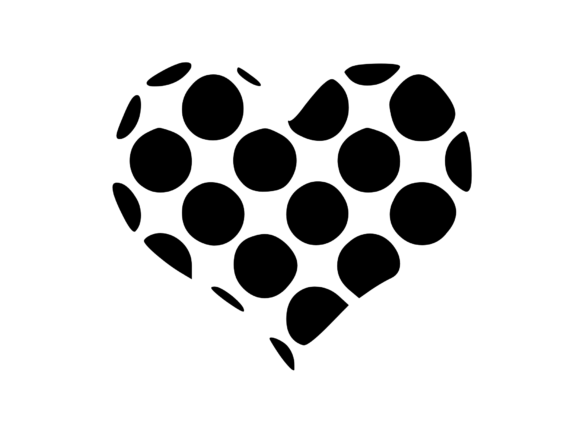
Spotty Heart 1 Review
As an embroidery designer and product reviewer, I’ve evaluated countless machine embroidery designs. Spotty Heart 1 stands out as a versatile and visually engaging option for crafters and small business owners alike. Its playful, stylized look makes it ideal for a wide range of projects, from custom apparel to personalized gifts. But like any design, it has its strengths and limitations that are worth exploring before committing to a project.
The First Impression
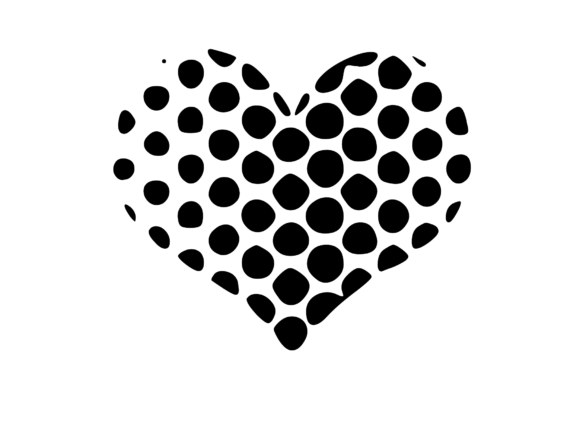
Spotty Heart 1 immediately catches the eye with its bold, whimsical aesthetic. The design features a heart shape covered in scattered dots, creating a fun and eye-catching pattern. The layout is clean and balanced, making it suitable for both simple and more intricate embroidery projects. It feels modern yet nostalgic, which gives it broad appeal across different audiences.
The visual personality of Spotty Heart 1 is friendly and approachable. It’s not overly complex, but it still has enough detail to stand out on its own. This makes it perfect for adding a touch of personality to handmade products without overwhelming the overall design.
Real-Life Use Cases
Imagine you’re working on a custom embroidered tote bag for a client who wants something unique. Spotty Heart 1 would be a great choice. It adds visual interest without being too busy, and it works well on light-colored fabrics where the dots can pop. It also pairs nicely with other elements, like text or additional graphics, making it a flexible addition to your design library.
For a sweatshirt embroidery project, Spotty Heart 1 could be used as a standalone design or as part of a larger composition. Its simplicity ensures it won’t get lost in the fabric texture, and it’s easy to scale up or down depending on the size of the garment. It’s also a good fit for baby items, such as onesies or blankets, where a soft, playful design is appreciated.
If you’re an Etsy seller looking to expand your product line, Spotty Heart 1 could be a valuable addition to your digital product offerings. It’s suitable for printable mockups, and its SVG format allows for easy customization. It also works well as an applique design, especially when combined with different thread colors or fabric textures.
Where to Be Careful
While Spotty Heart 1 is generally user-friendly, there are some situations where it may not perform as well. For example, if you’re working with small hoop sizes, the design might be too large to fit comfortably. This could lead to stitching issues or require multiple hooping sessions, which can be time-consuming.
On textured or stretchy fabrics, the design may not sit as smoothly as desired. The dots could appear uneven or distorted, especially if the fabric stretches during the embroidery process. Similarly, on dark fabrics, the contrast between the design and the background may be less noticeable, so it’s important to test the design in different color combinations.
When using Spotty Heart 1 on curved surfaces like caps or hats, the design may need some adjustment to ensure it sits correctly. The corners of the heart could become distorted if not properly aligned. For detailed areas or tiny lettering, this design might not be the best choice, as the dots could blend together or lose definition.
Visual Appeal and Practical Value
Spotty Heart 1 enhances the visual appeal of any project it’s used on. Its playful nature makes it a strong contender for personalized gifts, holiday decorations, or boutique merchandise. It adds a sense of creativity and individuality, which can help your handmade products stand out in a competitive market.
From a practical standpoint, the design is easy to work with. It doesn’t require excessive stitch density, which means it’s less likely to cause puckering or distortion on delicate fabrics. It also maintains clarity even when scaled down, making it suitable for smaller items like patches or keychains.
For small business owners and crafters, Spotty Heart 1 offers a solid return on investment. It’s a design that can be used across multiple products, from tote bags to aprons, without losing its impact. It also helps build brand consistency, especially if you’re using it as a signature element in your product line.
Embroidery Designer Notes
Before finalizing any project, I always recommend testing the design on scrap fabric. This helps identify any potential issues with stitch density, stabilizer use, or thread color contrast. Spotty Heart 1 is no exception—testing it on different materials will give you a better idea of how it will look on your intended product.
Check the stitch density to make sure it’s appropriate for your fabric type. If the design is too dense, it could cause stiffness or damage to the material. On the other hand, if it’s too light, the dots may not show up clearly. Finding the right balance is key to achieving a professional finish.
Also, make sure the design fits within your hoop size. If it’s too large, consider breaking it into sections or adjusting the layout. Using the proper stabilizer is crucial, especially on stretchy or thin fabrics, to prevent shifting or distortion during the embroidery process.
Finally, always confirm the licensing terms before selling finished items or digital products. Even though Spotty Heart 1 seems like a safe bet, it’s always better to double-check the usage rights to avoid any legal issues down the line.
Final Thoughts
Spotty Heart 1 is a versatile and appealing design that can elevate a wide range of embroidery projects. Whether you’re creating custom apparel, personalized gifts, or small shop merchandise, it offers a fun and creative option that’s easy to work with. However, like any design, it requires careful consideration of fabric type, hoop size, and stitch settings to achieve the best results.
For embroidery designers, small business owners, and crafters, Spotty Heart 1 is a valuable addition to your design library. It’s a design that encourages creativity while maintaining practicality, making it a smart choice for both personal and commercial use.